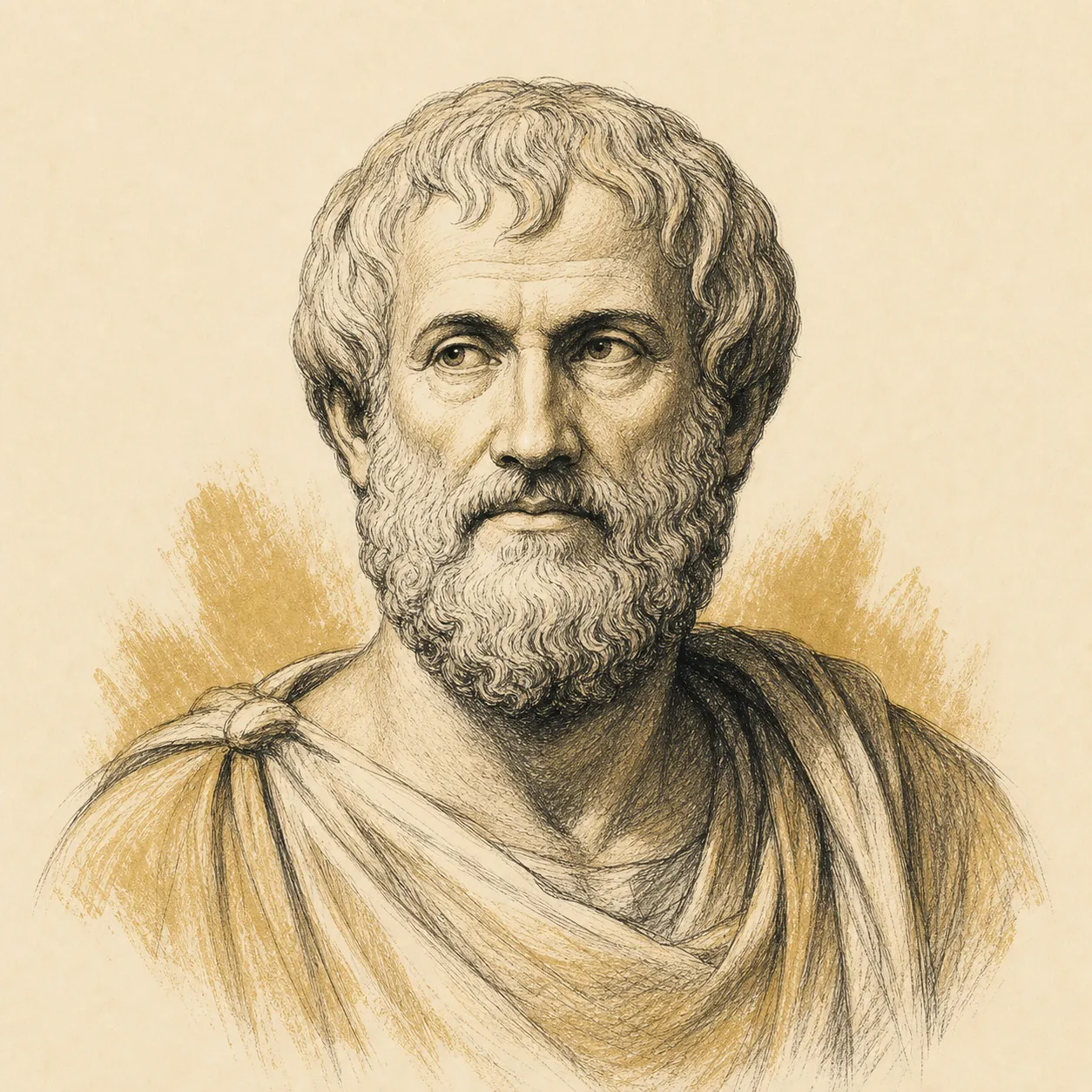
INST
384—322 BCE
Aristotle
亚里士多德
Provision, exchange, and the boundary between use and accumulation.
P02 / Online book / Part 01
Historical field / c. 4th century BCE—present
Read from top to bottom. The vertical direction marks historical sequence; the parallel rails follow recurring intellectual cores. Alongside these continuities, the REV badges mark the paradigm-level ruptures: the Smithian, marginal, Keynesian, monetarist, and rational-expectations revolutions. The map records conceptual continuities, not a claim that every later thinker was directly influenced by every earlier one.
Six recurring lines of inquiry
Wealth, exchange, money, taxation, and household rule were still questions inside ethics, law, and statecraft.
Xenophon · Scholastic just-price theory · Ibn Khaldun
INST
384—322 BCE
亚里士多德
Provision, exchange, and the boundary between use and accumulation.
The economy begins to appear as an interconnected circulation of production, income, prices, trade, and population.
Hume · Quesnay and the Tableau économique · Turgot
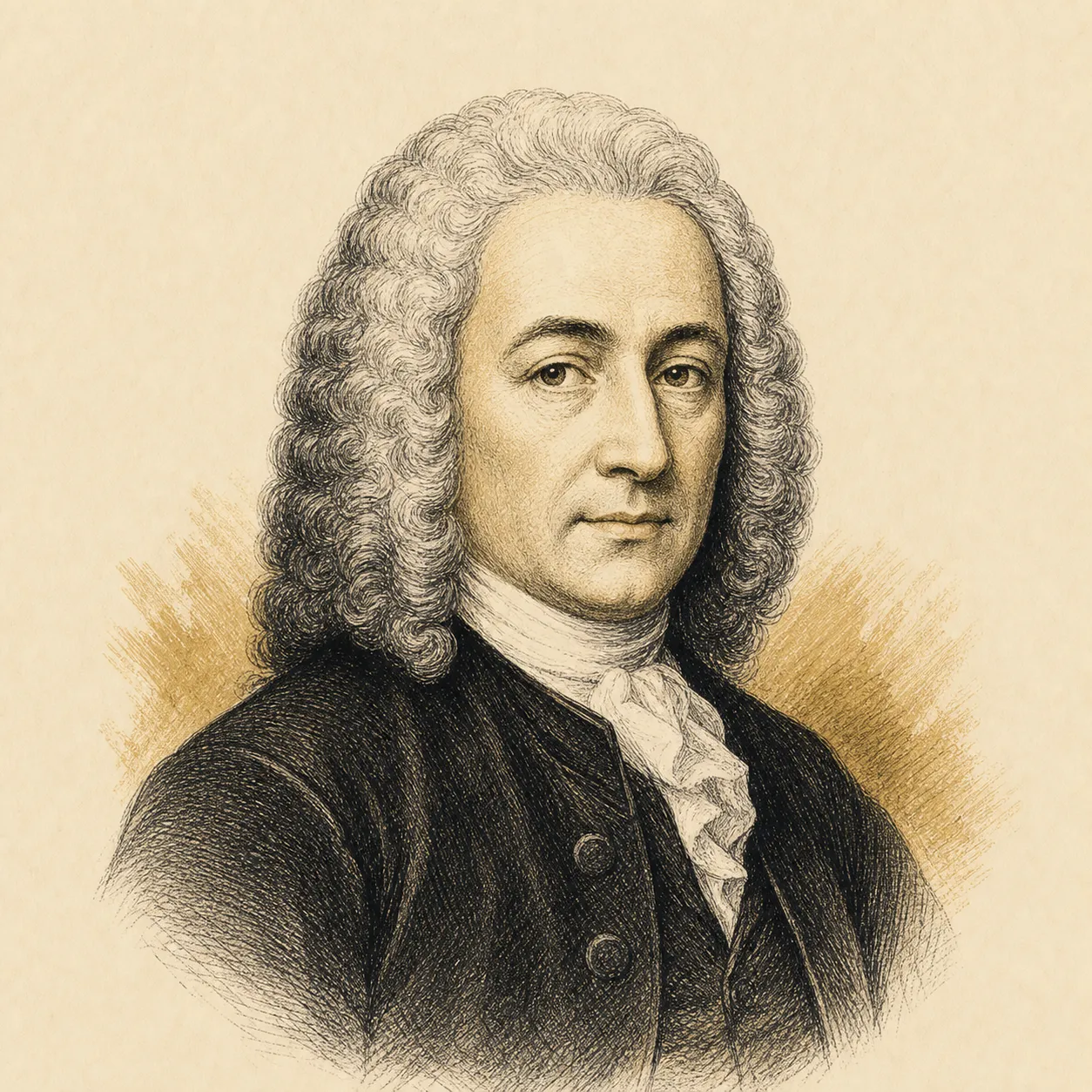
EVO
c. 1680s—1734
理查德·坎蒂隆
Entrepreneurship, uncertainty, and the circulation of an interdependent economy.
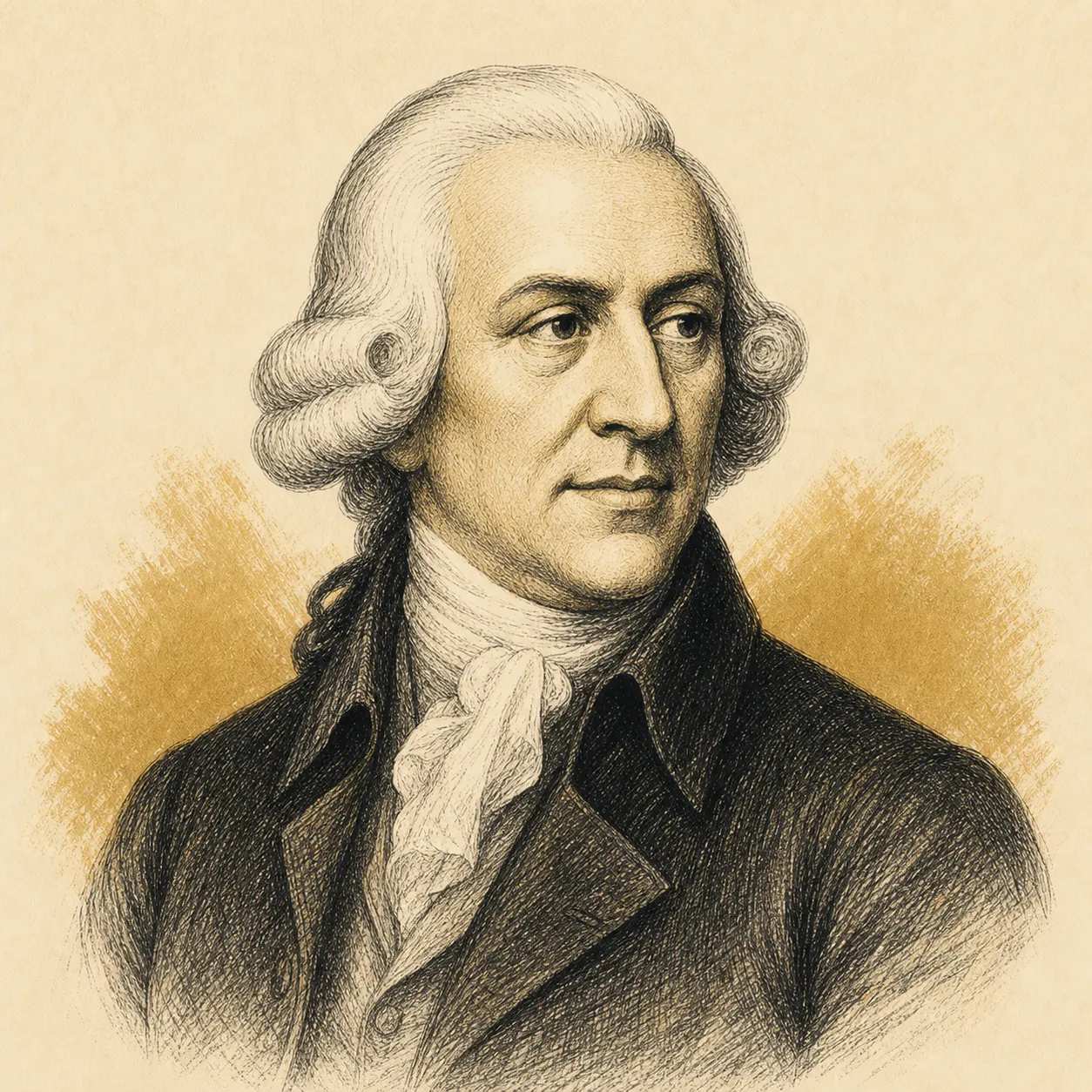
CAP
1723—1790
亚当·斯密
Division of labor, exchange, institutions, and commercial society.
REV 01 · The Smithian revolution
Production, value, class distribution, accumulation, trade, and the historical character of capitalism move to the center.
Malthus · Say · J. S. Mill · List
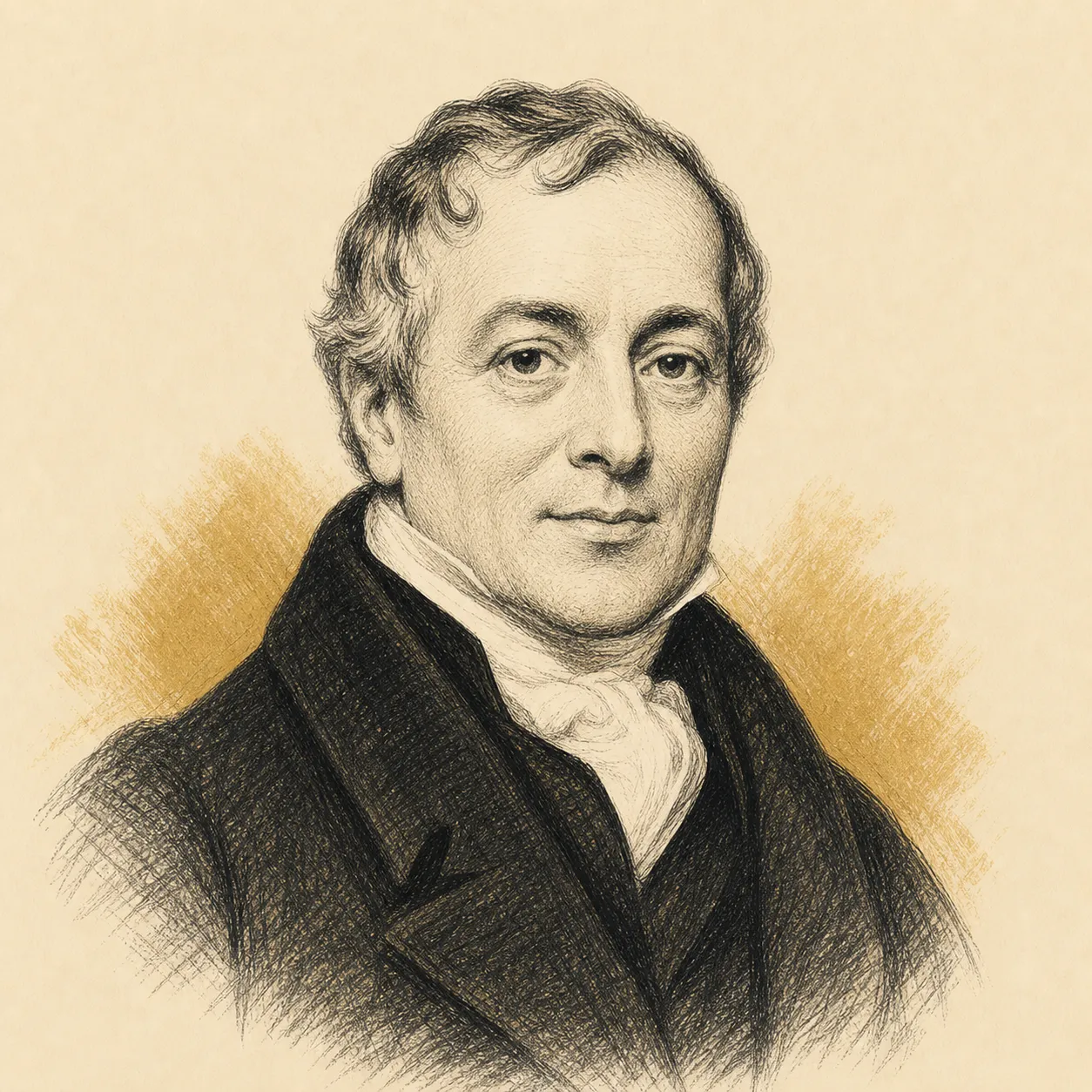
CAP
1772—1823
大卫·李嘉图
Distribution, rent, relative costs, and comparative advantage.
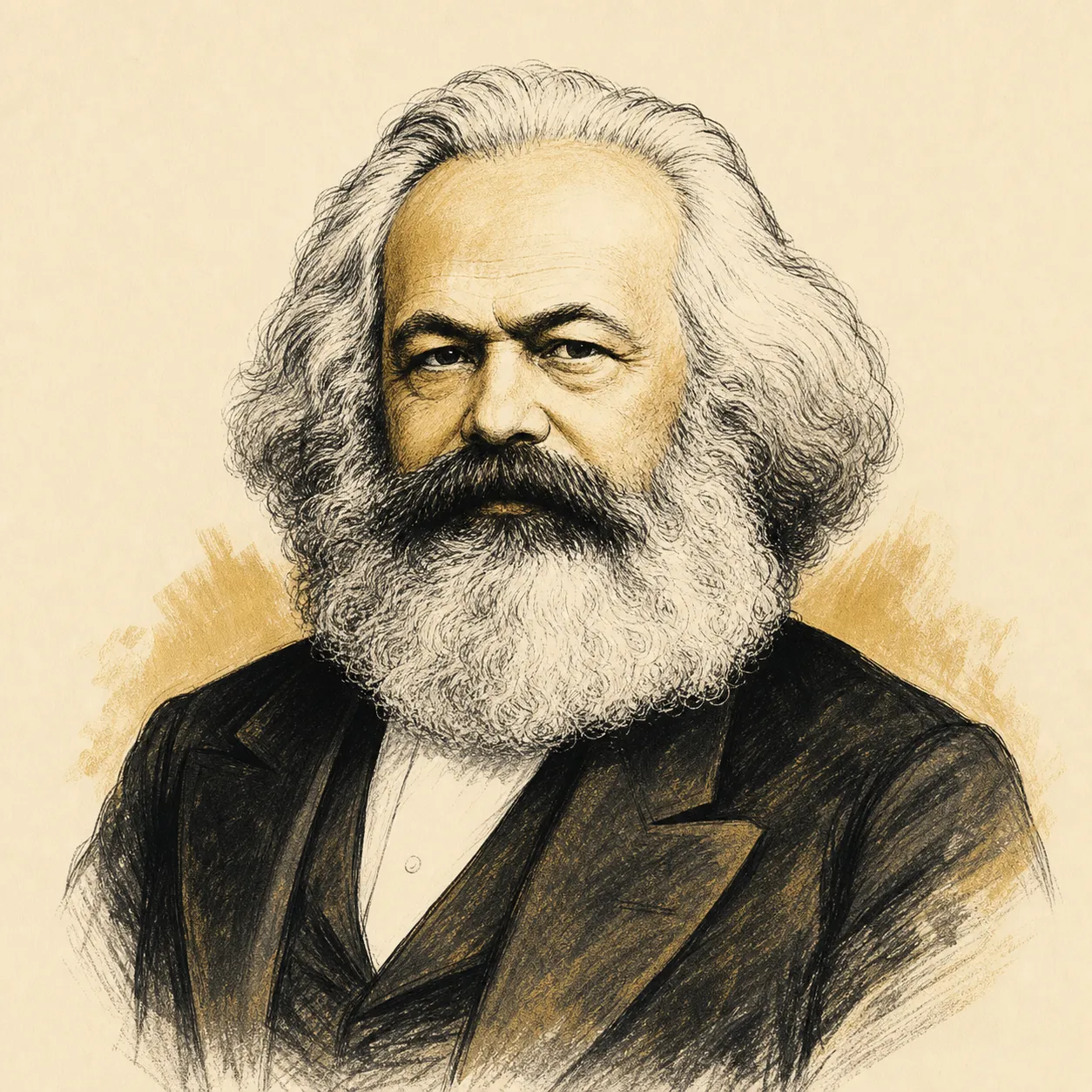
CAP
1818—1883
卡尔·马克思
Surplus value, capital accumulation, class, and technological change.
REV 02 · The marginal revolution
The unit of analysis shifts from social classes and surplus toward individual choice, scarcity, marginal trade-offs, and equilibrium; factor incomes become rewards to marginal productivity rather than outcomes of class relations.
Jevons · Walras · Edgeworth · Pareto
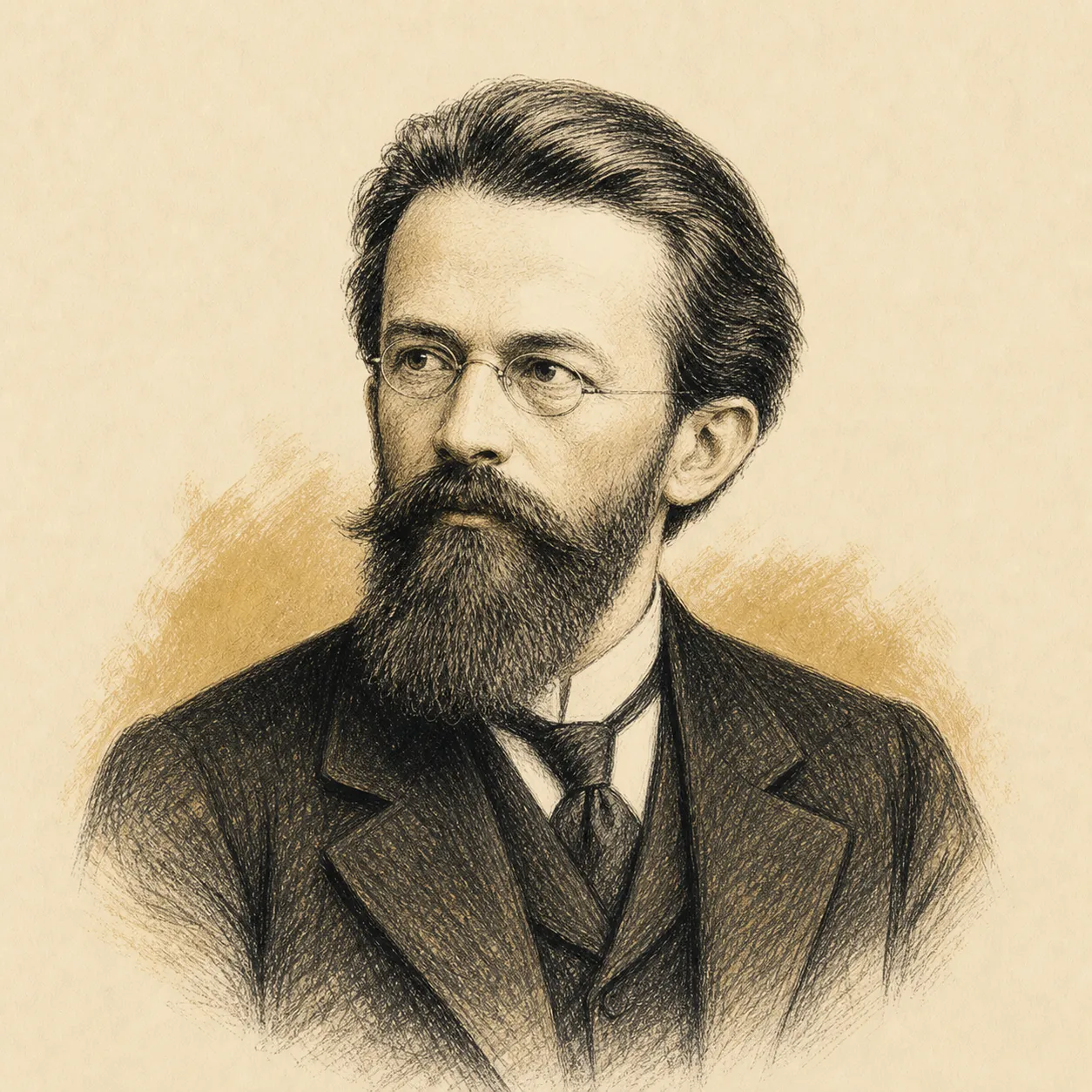
EQ
1840—1921
卡尔·门格尔
Subjective value, marginal utility, and spontaneously evolved institutions.
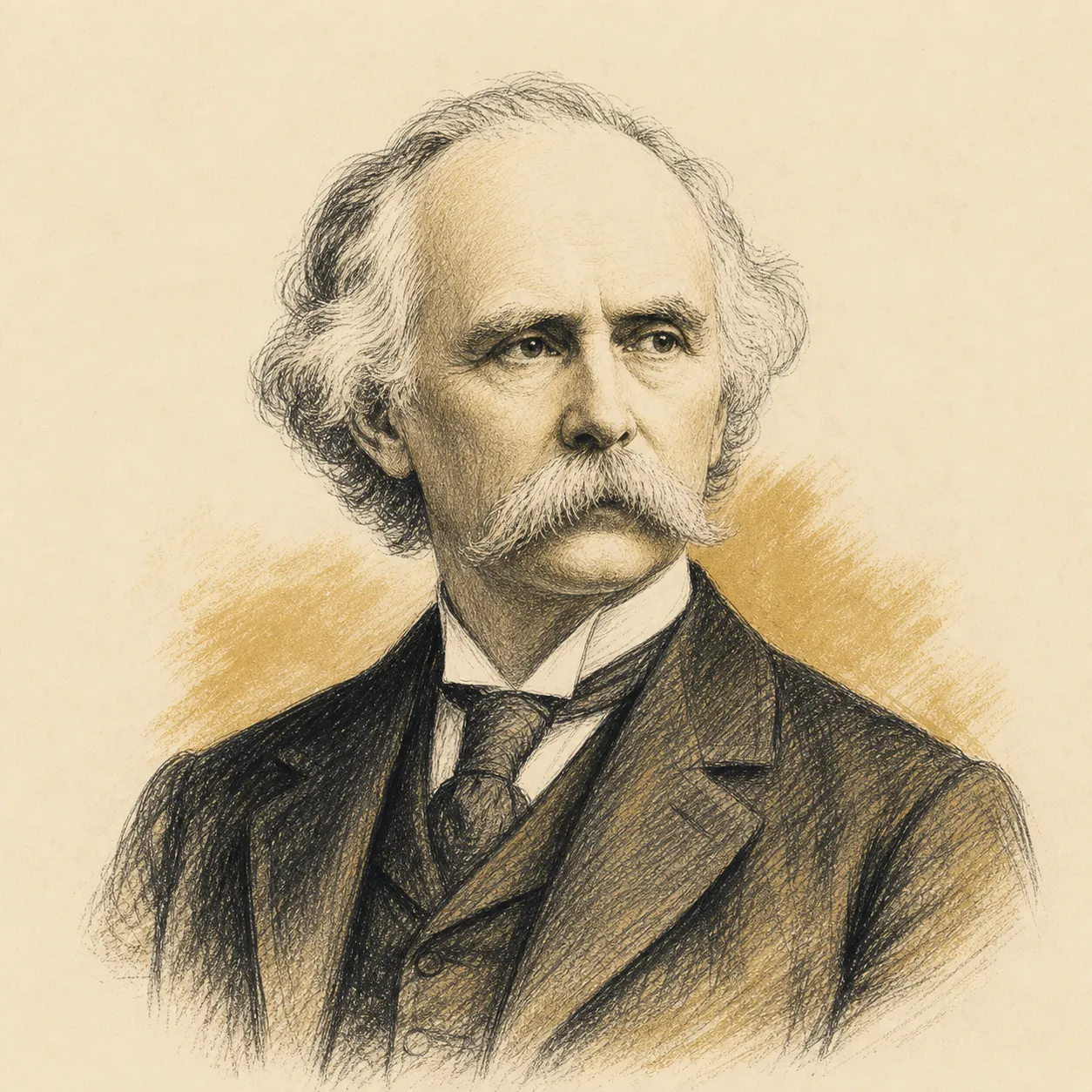
EQ
1842—1924
阿尔弗雷德·马歇尔
Supply, demand, elasticity, time, and partial equilibrium.
REV 03 · The Keynesian revolution
Credit, expectations, entrepreneurship, and coordination kept stressing the image of frictionless equilibrium; the Great Depression then broke the faith in self-correcting markets, and Keynes rebuilt economics around aggregates, effective demand, and rigid wages and prices, founding macroeconomics and demand management.
Wicksell · Fisher · Veblen · Schumpeter · Kalecki
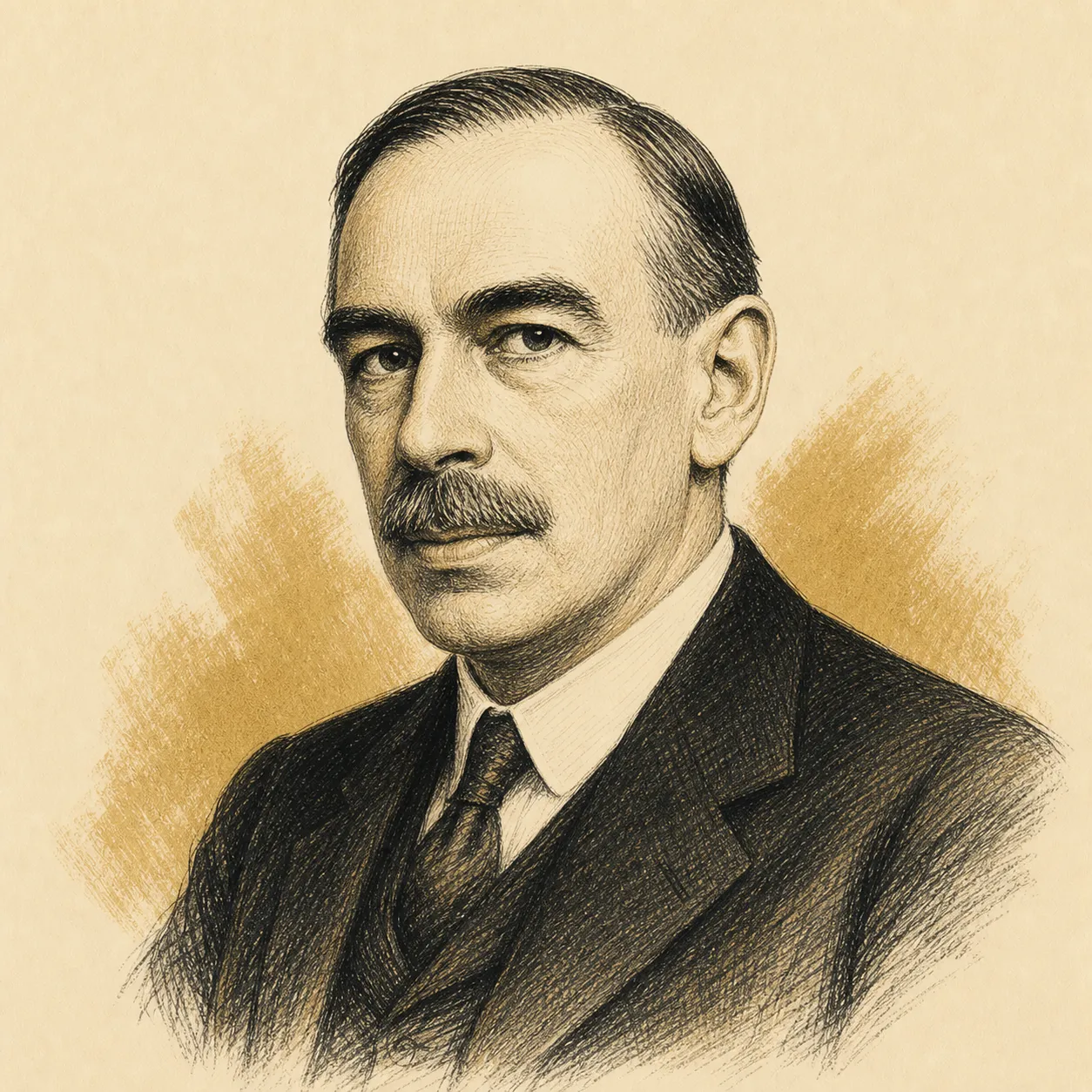
MAC
1883—1946
约翰·梅纳德·凯恩斯
Uncertainty, effective demand, and persistent involuntary unemployment.
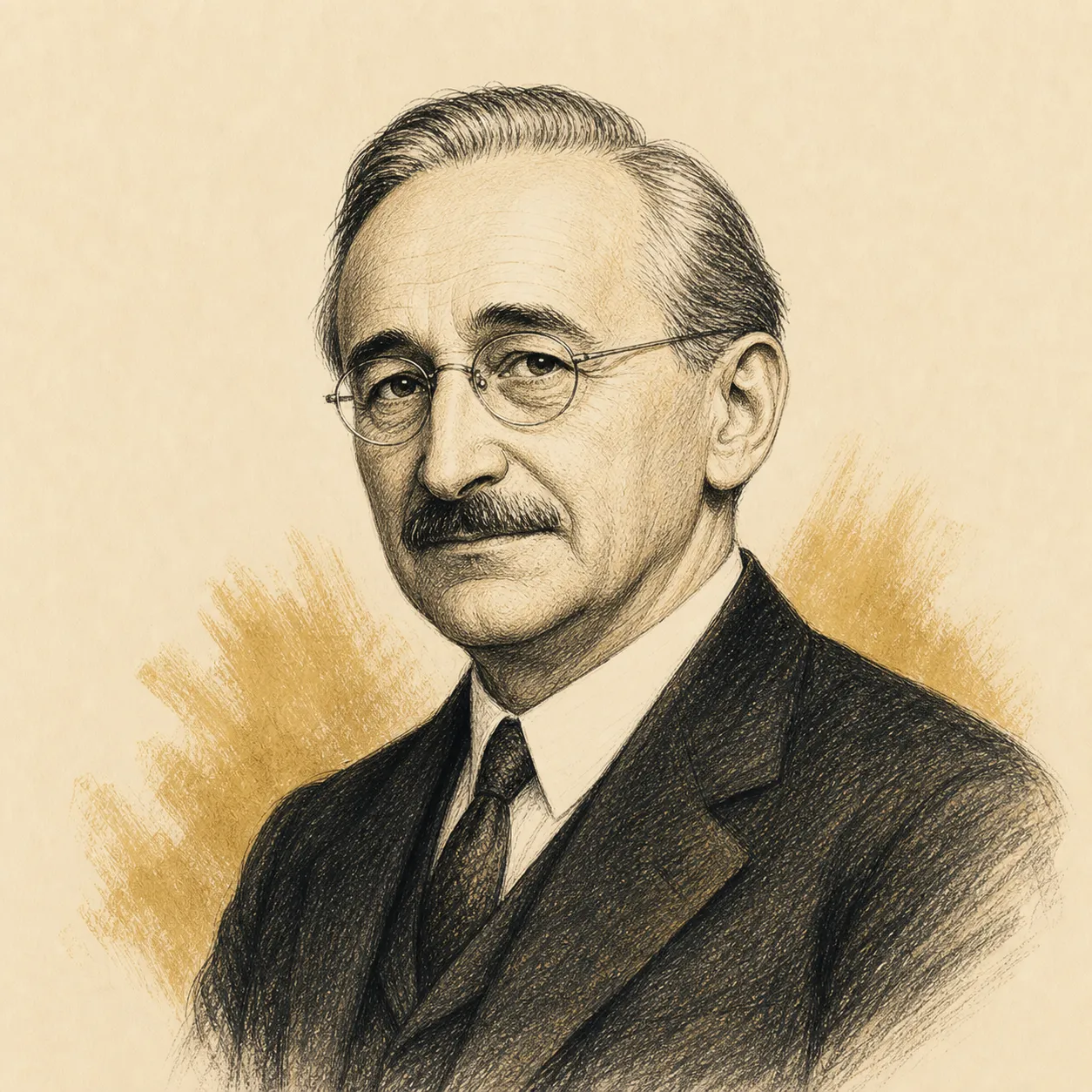
INST
1899—1992
弗里德里希·哈耶克
Dispersed knowledge, price signals, and spontaneous order.
REV 04 · The monetarist counter-revolution
Economics becomes more mathematical and econometric while general equilibrium, growth, strategic interaction, and policy are rebuilt in formal models. The neoclassical synthesis of Samuelson rests on the Phillips curve; Friedman and Hayek launch the counter-revolution with the natural rate of unemployment, long-run money neutrality, and a return to laissez-faire.
Frisch · Tinbergen · Haavelmo · Arrow–Debreu · Nash · Solow
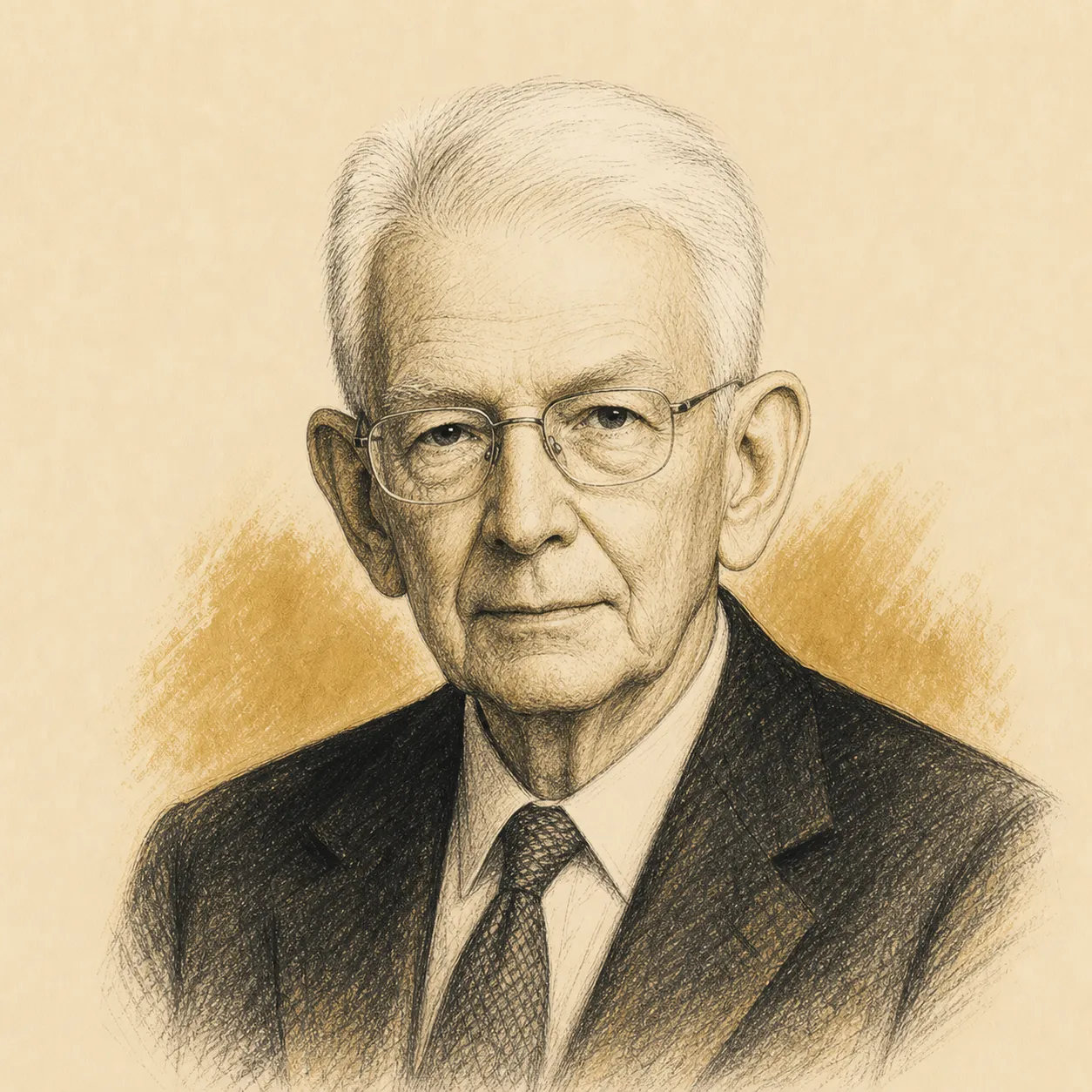
INST
1910—2013
罗纳德·科斯
Transaction costs, property rights, and institutional choice.
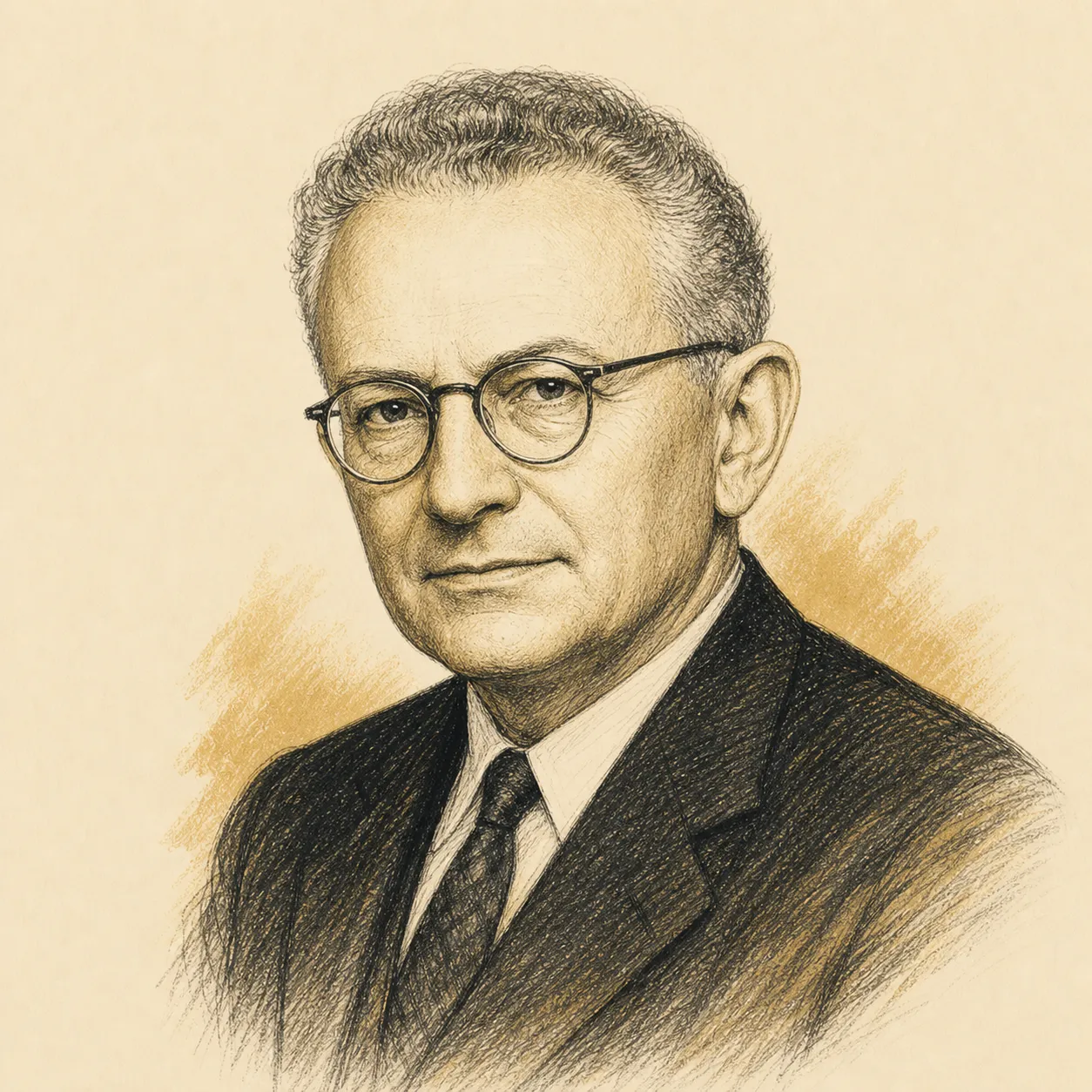
EQ
1915—2009
保罗·萨缪尔森
Optimization, comparative statics, and the neoclassical synthesis.
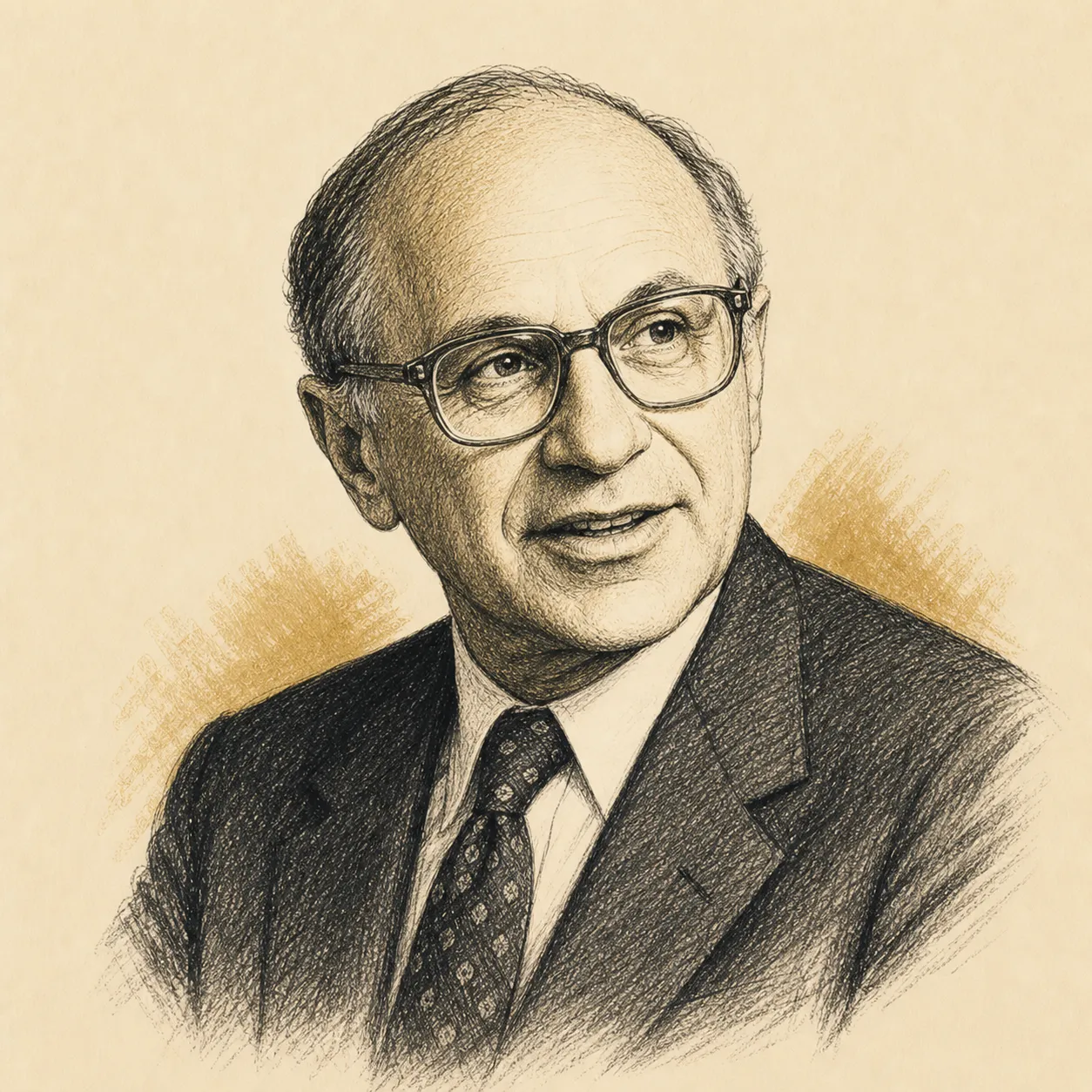
MAC
1912—2006
米尔顿·弗里德曼
Money, permanent income, expectations, and policy rules.
REV 05 · The rational-expectations revolution
Stagflation ended the confidence of the postwar synthesis, and the rational-expectations revolution rebuilt macroeconomics on individually rational choice: expectations entered the models, the Phillips curve disappeared, and anticipated policy lost its bite. Private information, cognitive limits, transaction costs, governance rules, and mechanism design moved inside the analytical core.
Spence · Stiglitz · Williamson · Thaler · Hurwicz–Maskin–Myerson · Phelps · Sargent · Sraffa and the two Cambridges debate

MAC
1937—2023
小罗伯特·卢卡斯
Rational expectations, micro-foundations, and the limits of systematic policy.
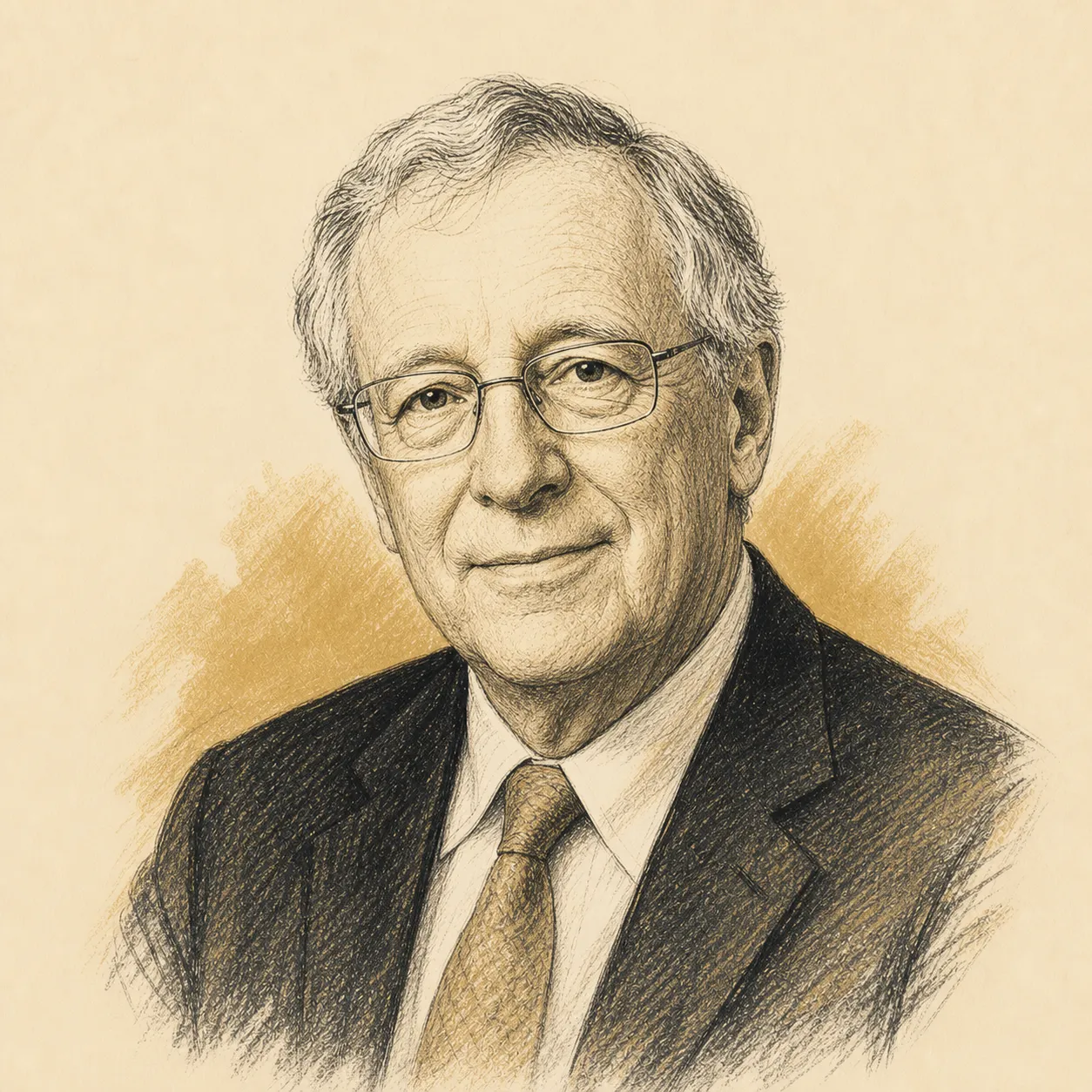
INST
1940—
乔治·阿克洛夫
Asymmetric information, adverse selection, and fragile markets.
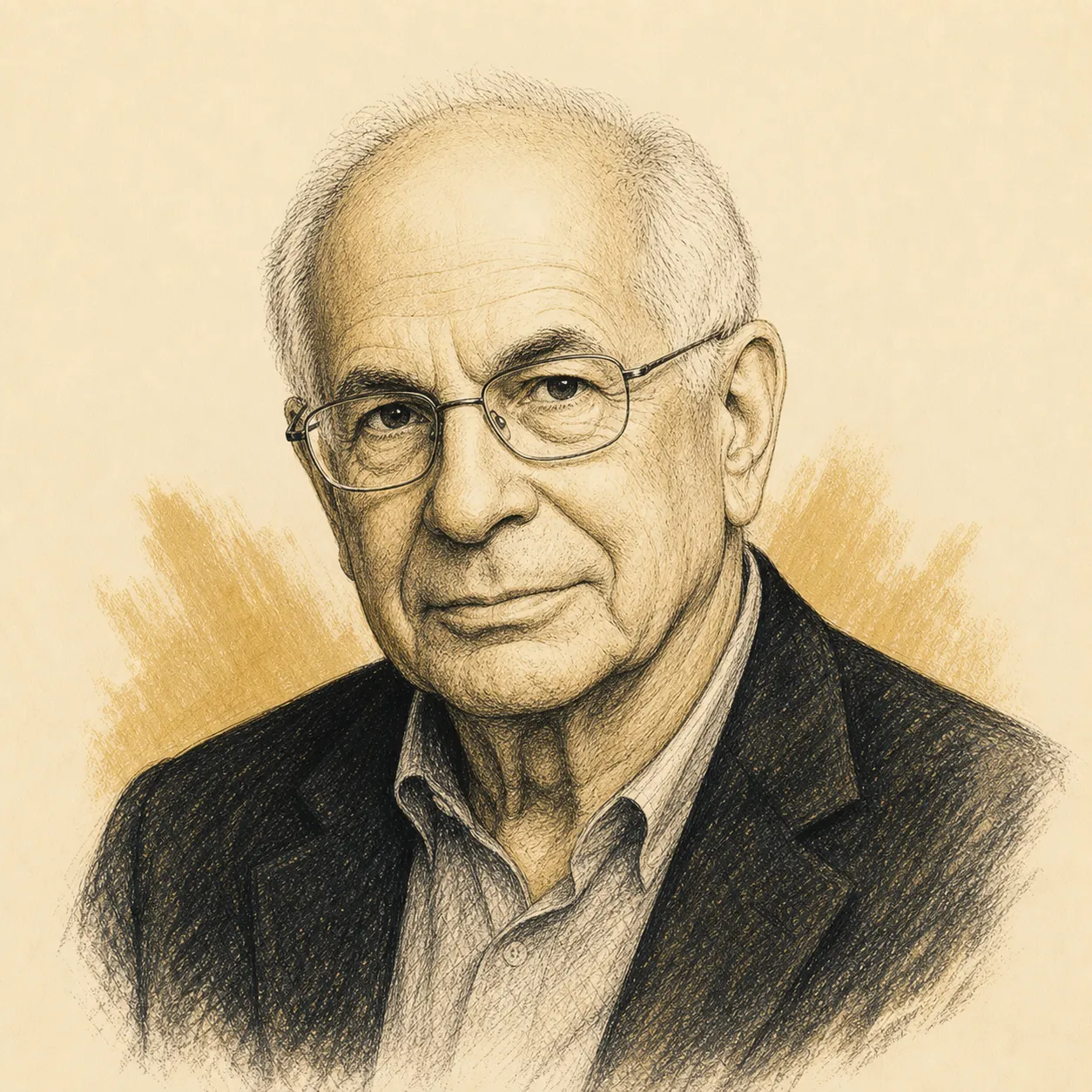
BEH
1934—2024
丹尼尔·卡尼曼
Judgment, framing, reference points, and loss aversion.
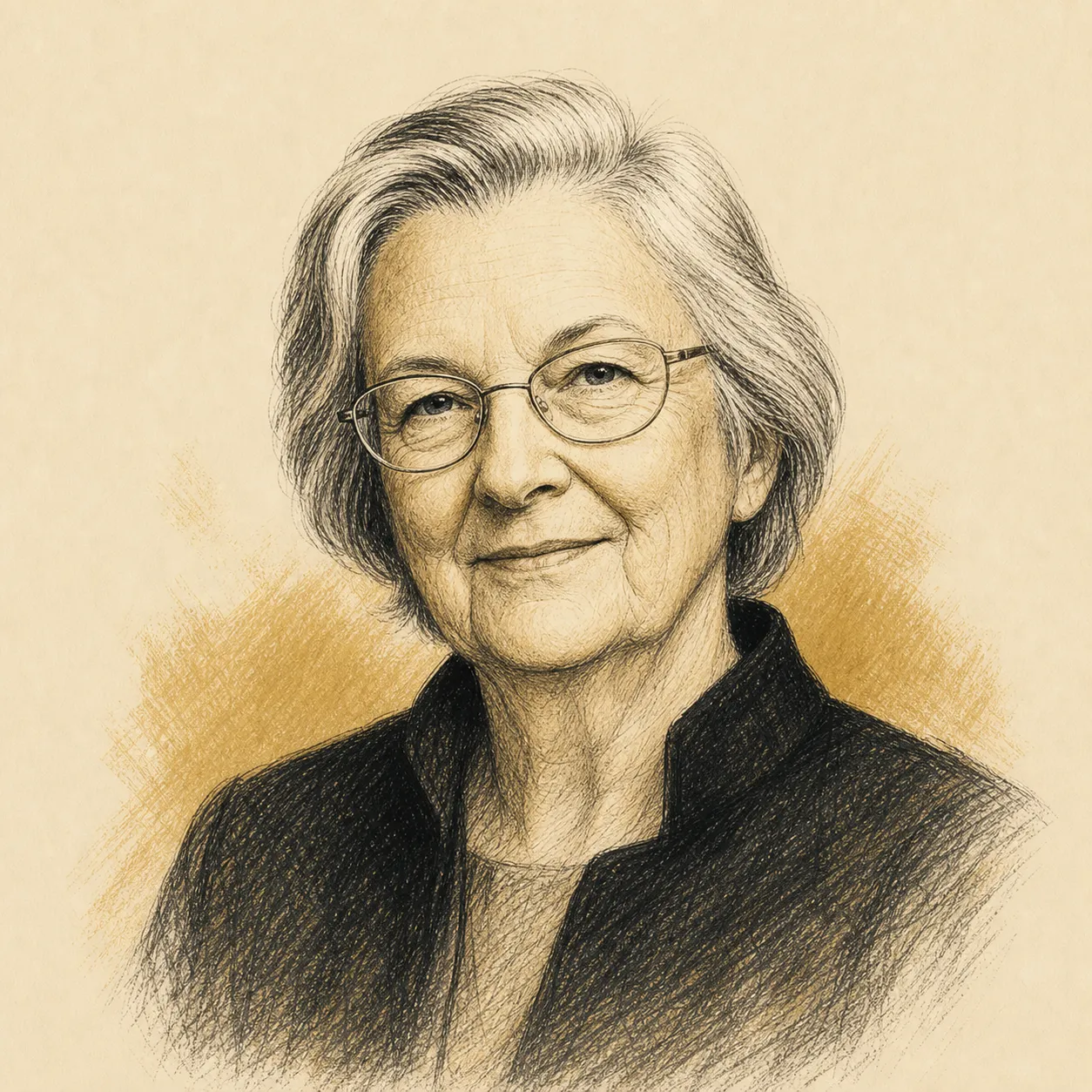
INST
1933—2012
埃莉诺·奥斯特罗姆
Commons, durable rules, and polycentric self-governance.
Ideas, technology, institutions, heterogeneity, experiments, causal identification, path dependence, and emergence define an expanding contemporary toolkit.
Aghion–Howitt · Card–Angrist–Imbens · Duflo · Acemoglu
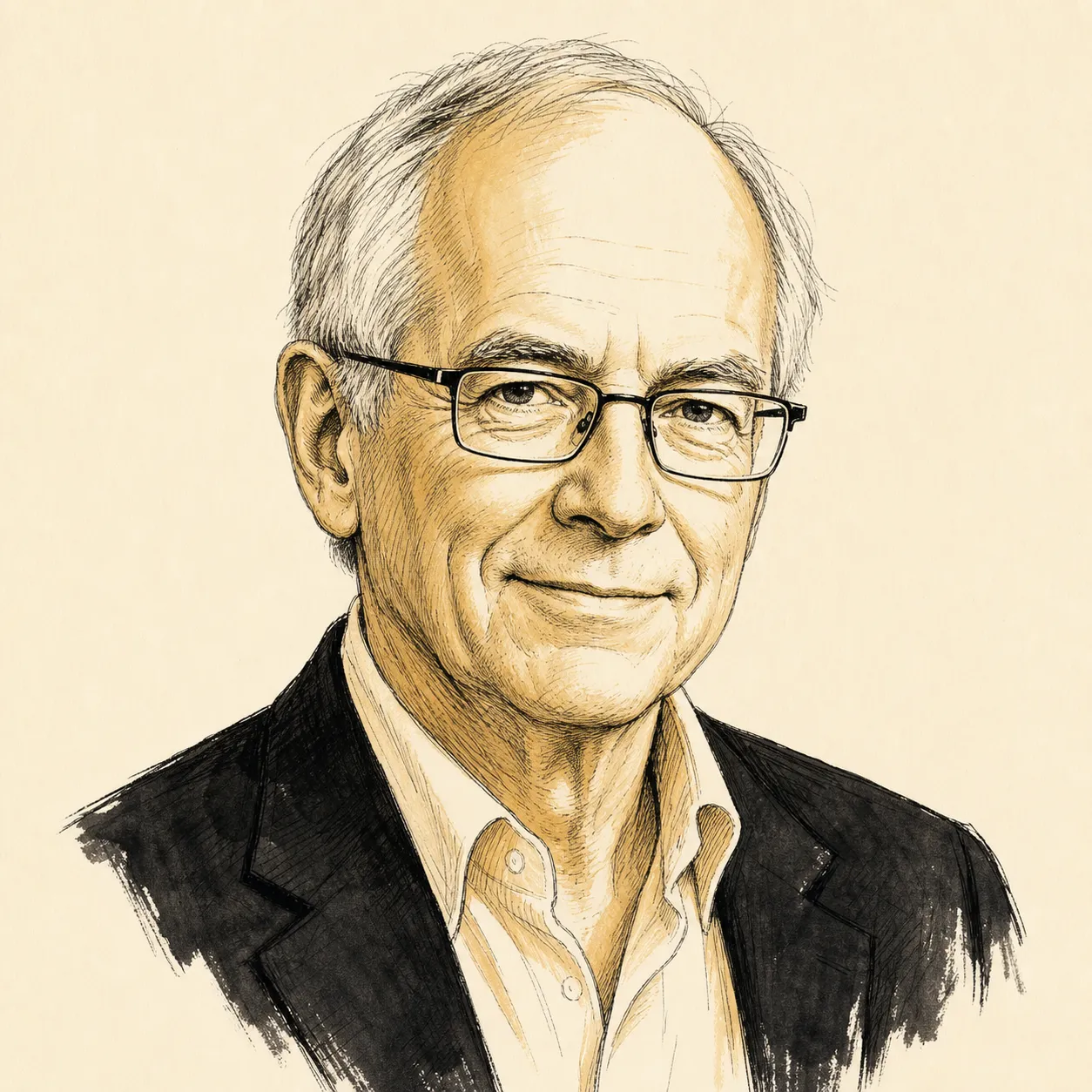
EVO
1946—
威廉·布莱恩·阿瑟
Increasing returns, path dependence, learning, and emergence.
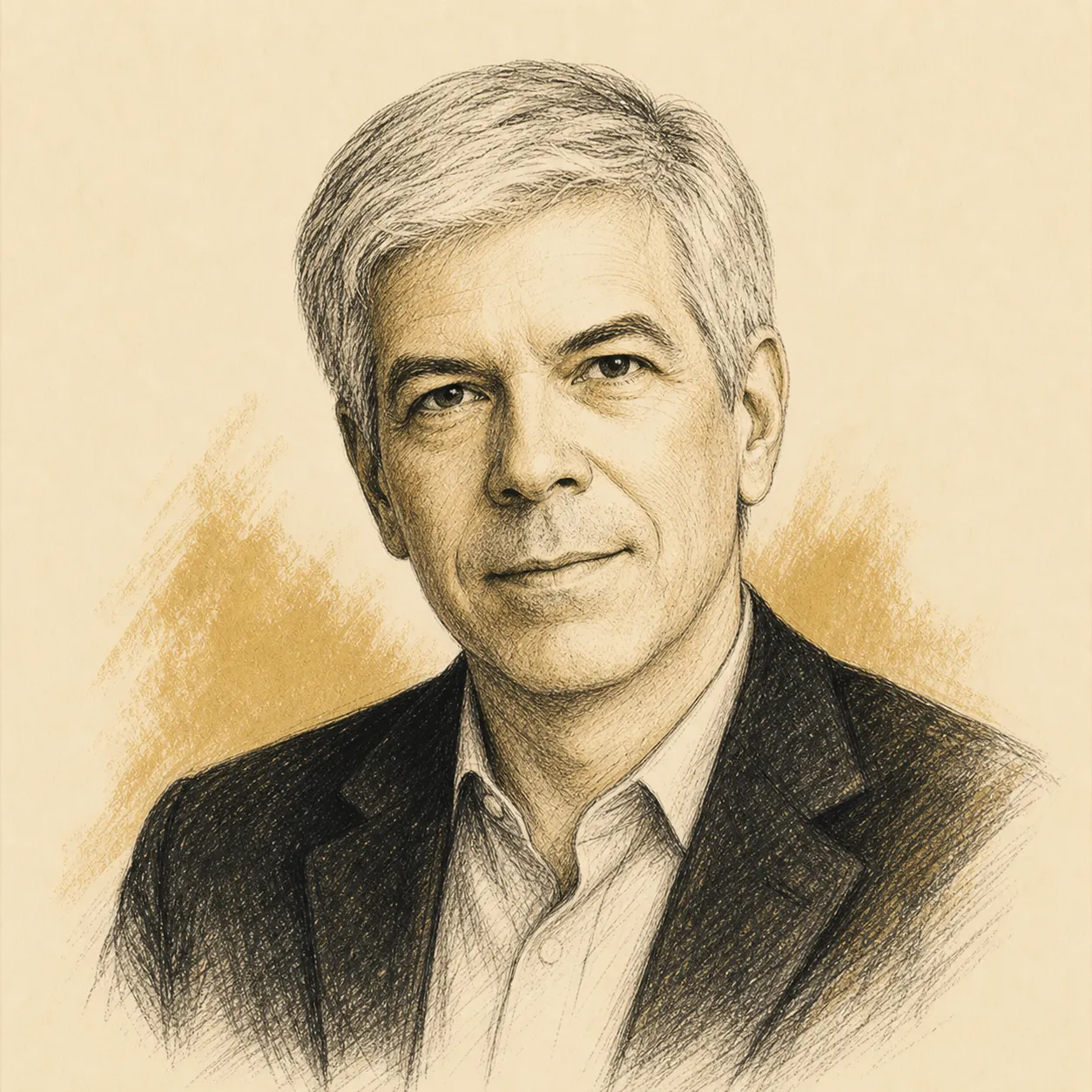
EVO
1955—
保罗·罗默
Ideas, knowledge spillovers, increasing returns, and endogenous growth.