Part 202
P02 / Online Book
Intelligence changes production. Circulation determines outcomes.
Economics After AI
CIRCULATION MAP / 01—03
Part 101
A Map of Economics
Open the historical mapPart 303
Growth-Circulation Economics in Practice
01 / 01Complexity economics
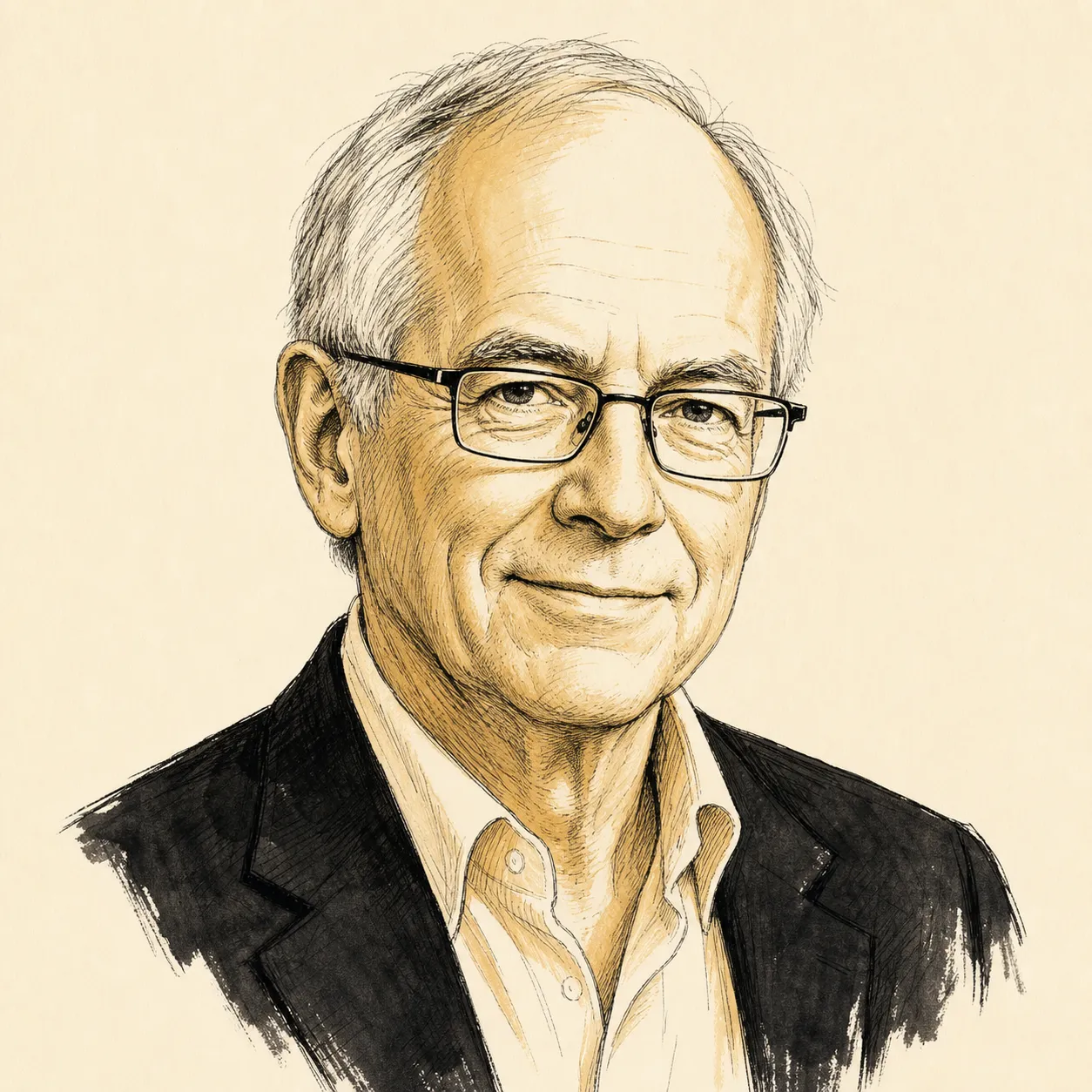
1946—
W. Brian Arthur
威廉·布莱恩·阿瑟
Life
An economist and complexity scientist, formerly Morrison Professor at Stanford and now an External Professor at the Santa Fe Institute. In the late 1980s he led the Santa Fe group that helped establish complexity economics, and his work on increasing returns became foundational to the study of technology markets.
Selected works
- Increasing Returns and Path Dependence in the Economy
- The Nature of Technology
- Complexity and the Economy
Ideas in brief
Arthur replaces the image of the economy as a machine at equilibrium with an adaptive system always in formation. Positive feedback can magnify small historical events into lock-in; technologies evolve by combining existing components; and each new technology helps reconstruct the economy that produced it. Economic structures are therefore emergent, path-dependent, and continually remade by innovation.
01 / 02Critique of political economy
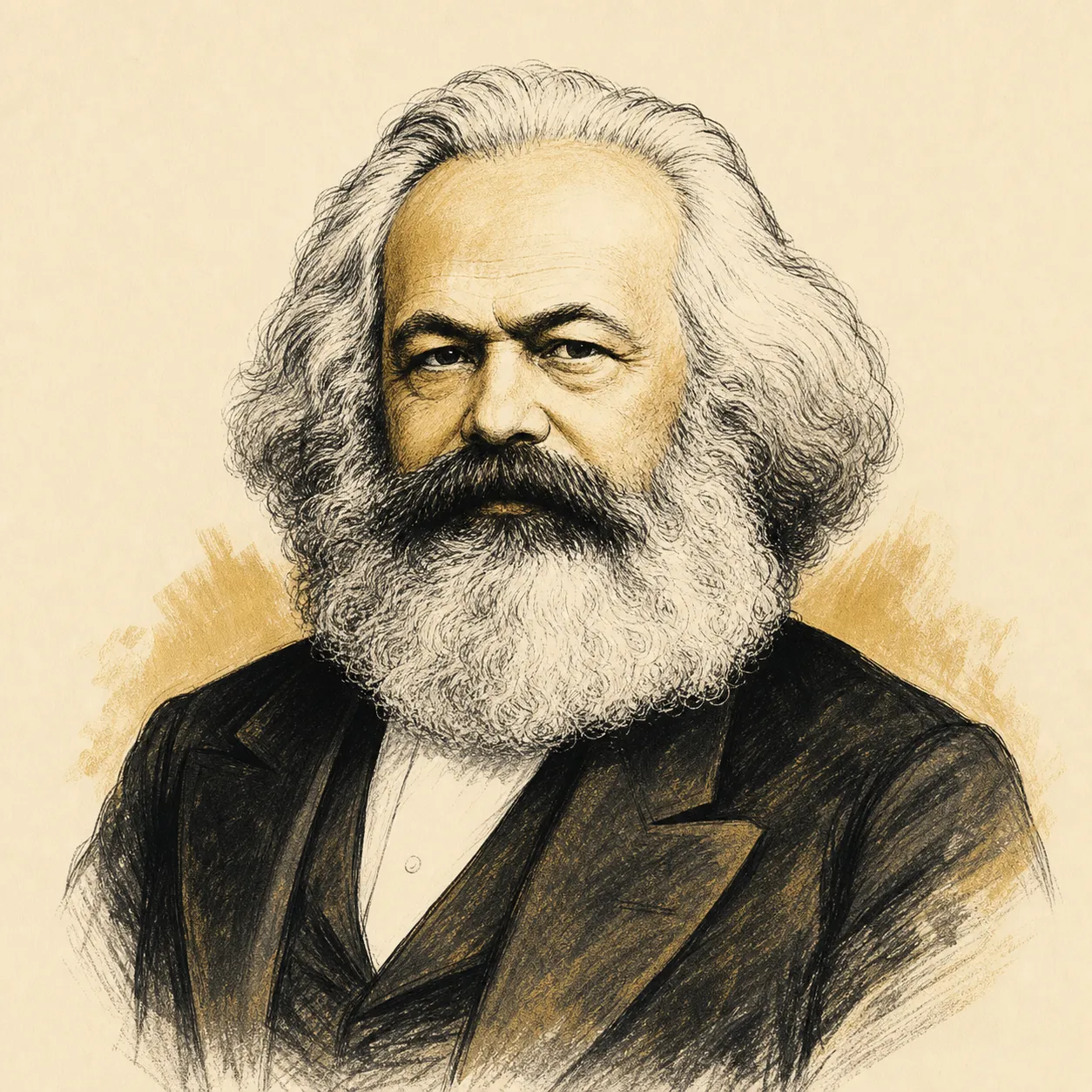
1818—1883
Karl Marx
卡尔·马克思
Life
A German philosopher, political economist, and revolutionary writer. After periods in Paris and Brussels, he spent most of his later life in London, working closely with Friedrich Engels and conducting the research that culminated in the first volume of Capital in 1867.
Selected works
- Economic and Philosophic Manuscripts of 1844
- The German Ideology
- The Communist Manifesto
- Capital, Volume I
Ideas in brief
Marx analyzes human beings as productive and social, yet capable of becoming alienated from their work, its products, one another, and themselves. His materialist account of history relates social change to modes of production and class relations; his critique of capital examines commodities, surplus value, accumulation, and the way social relations appear as relations between things.
02 / 01Daoist philosophy
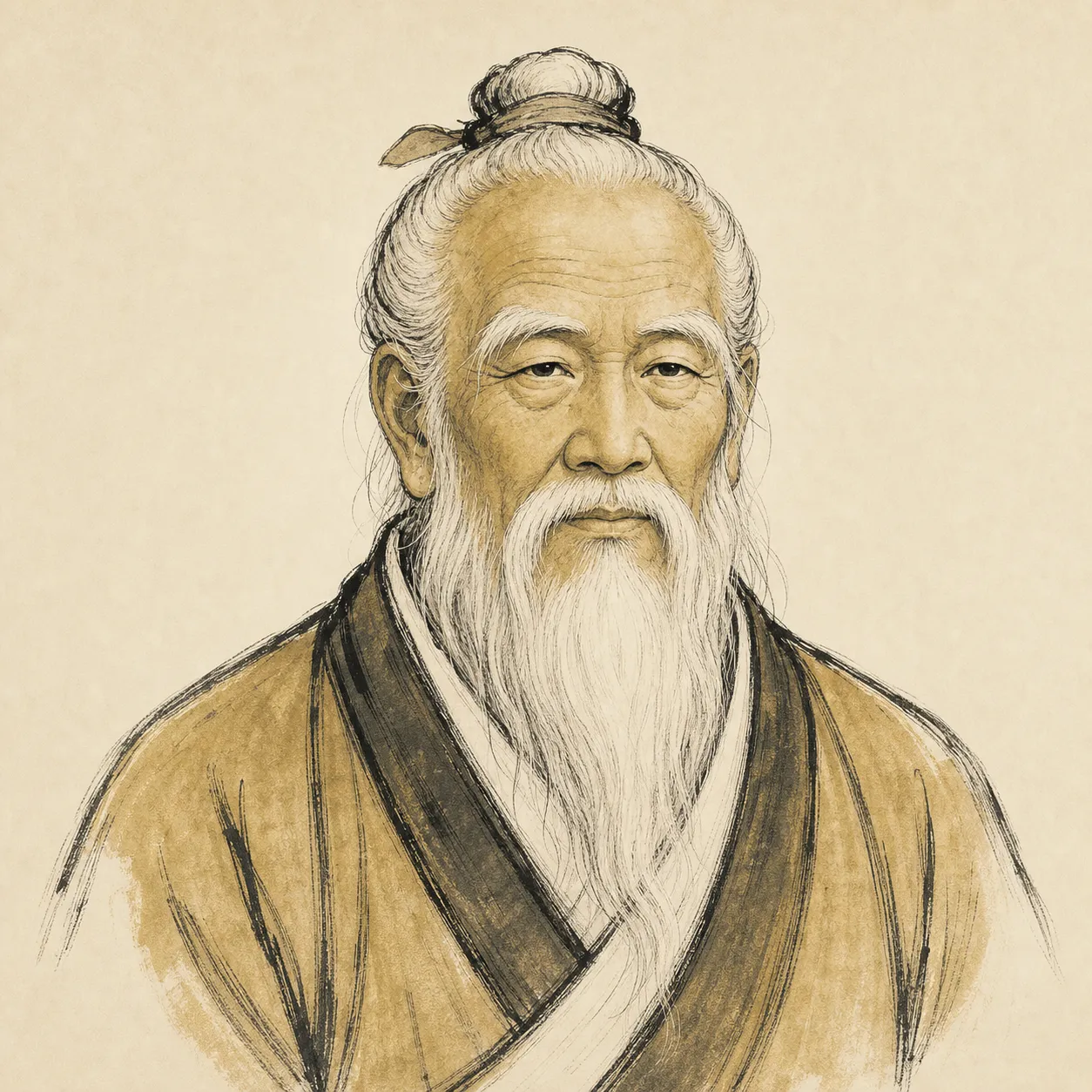
Trad. 6th c. BCE
Laozi
老子
Life
A foundational figure of the Daoist tradition, traditionally described as an older contemporary of Confucius and a keeper of archives at the Zhou court. Modern scholarship disputes whether Laozi was a single historical person and generally treats the Daodejing as a text formed through a longer process rather than the work of one securely identifiable author.
Selected works
- Daodejing (Laozi)
Ideas in brief
The Daodejing presents Dao as the inexhaustible way through which the ten thousand things arise, and de as its particular efficacy in beings. Naturalness and nonaction do not mean passivity, but action that avoids coercive overreach. Reversal, softness, emptiness, and knowing sufficiency describe a form of power that works by making room rather than by imposing control.
02 / 02Philosophy of technology
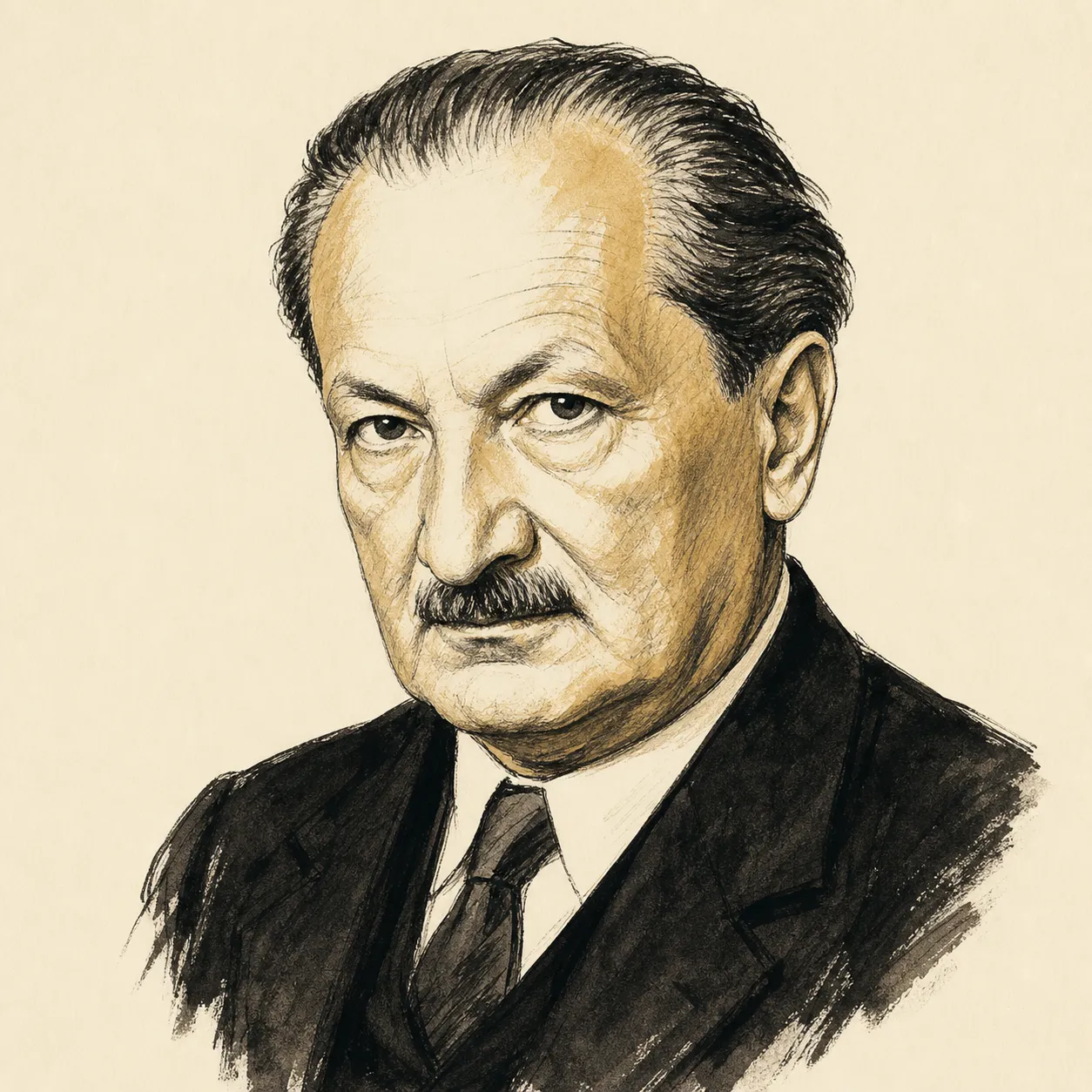
1889—1976
Martin Heidegger
马丁·海德格尔
Life
A German philosopher who taught at Marburg and Freiburg and transformed twentieth-century continental philosophy with Being and Time (1927). His 1933 rectorship at Freiburg and membership in the Nazi Party remain inseparable from any responsible account of his legacy.
Selected works
- Being and Time
- The Question Concerning Technology
- Building Dwelling Thinking
Ideas in brief
Heidegger asks about the conditions under which a world becomes meaningful to us. In his later work, technology is not merely a collection of tools: it is a mode of revealing that tends to order nature and people as resources on standby. His concept of enframing names this logic of ordering, while releasement points toward a less dominating relation to things.
03 / 01Economics of knowledge
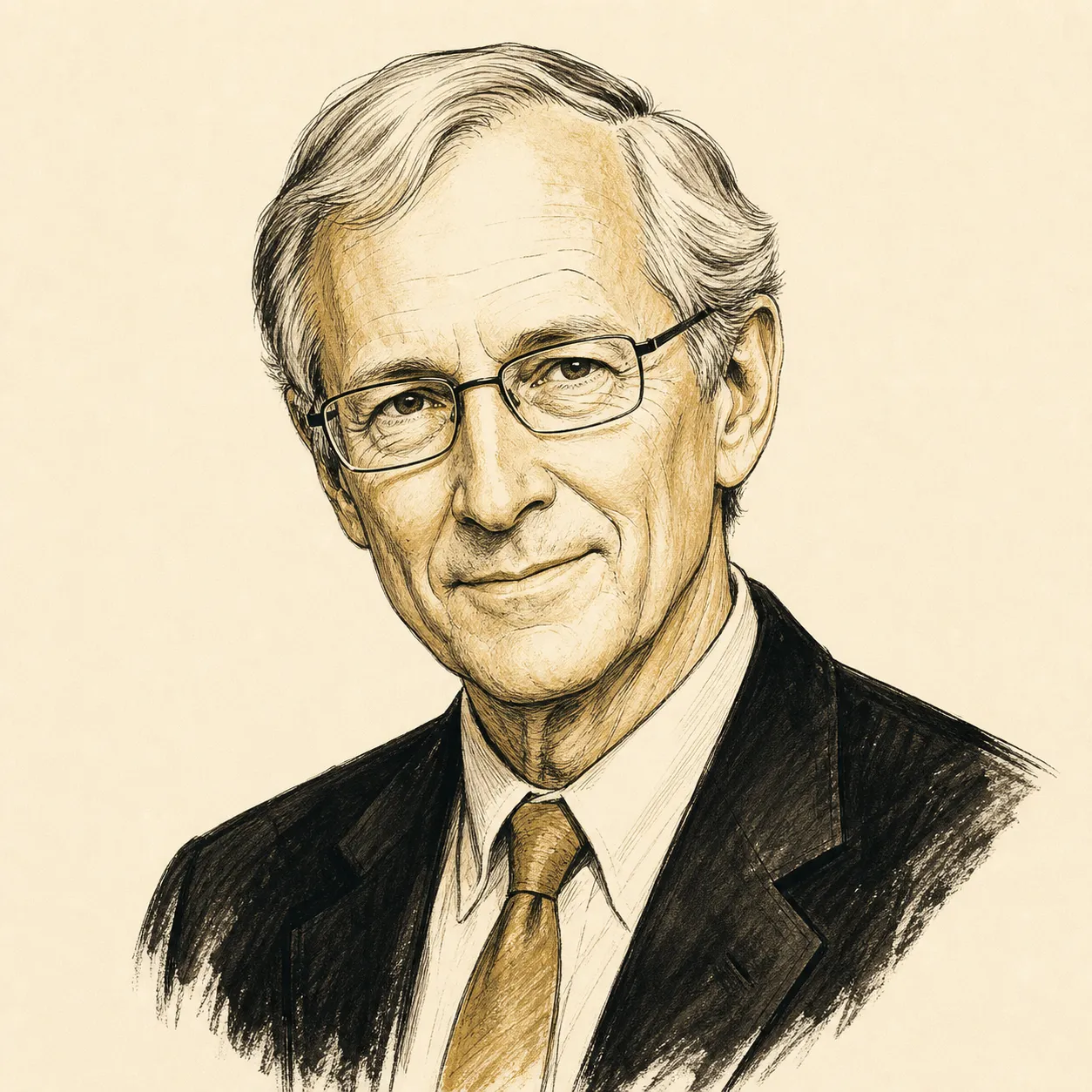
1939—
George Gilder
乔治·吉尔德
Life
An American writer, economist, investor, and co-founder of the Discovery Institute. From supply-side economics to semiconductors, telecommunications, and decentralized computing, his long career has focused on the relationship between entrepreneurship, information, and technological change.
Selected works
- Wealth and Poverty
- Microcosm
- Knowledge and Power
- Life After Google
Ideas in brief
Gilder treats capitalism as a discovery system: wealth is knowledge, growth is learning, and entrepreneurial profit rewards surprising new information rather than the optimization of what is already known. His supply-side commitments and some social arguments are contested; his central epistemic claim is that creativity, experiment, and error—not static allocation alone—generate economic value.